



Arboviruses
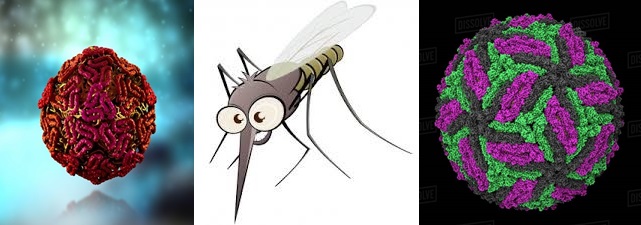
Arboviruses refers to a classification of viruses that are transmitted to humans via arthropods (mosquitoes, fleas, ticks, etc.).
Some Arboviruses of interest include:
- Flaviviruses: West Nile Virus (WNV), Zika, Dengue
- Togaviruses: Eastern Equine Encephalitis (EEE), Western Equine Encephalitis (WEE), Chikungunya
- Bunyaviruses: Jamestown Canyon Virus (JCV), La Crosse Virus
What We Do:
- The Delaware Public Health Laboratory (DPHL) tests animal samples (expired bird, horse, etc.) for WNV and EEE by real-time Reverse Transcriptase Polymerase Chain Reaction (rRT-PCR).
- DPHL tests human specimens (Serum, CSF) for WNV and Saint Louis Encephalitis (SLE) by IgM Microsphere Immunoassay (MIA).
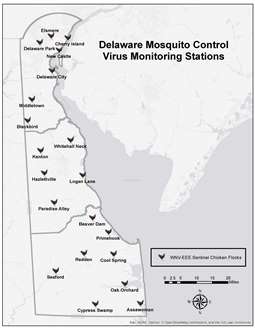
- DPHL tests “sentinel chickens” for WNV and EEE by IgM Enzyme Immunoassay (EIA). Chickens will produce antibodies to the arboviruses without presenting illness and are therefore a good marker of arboviral activities in areas of high mosquito prevalence.
- DPHL can refer other arboviral testing to the CDC, Fort Collins, CO laboratory.
Submitting a Specimen
- Zika specimens must have prior approval through the Division of Public Health’s Office of Infectious Disease Epidemiology (OIDE).
- Human WNV specimens can be directly submitted to DPHL.
- Sentinel chickens are collected via the Division of Natural Resources and Environmental Control (DNREC) Mosquito Control Section.
- Expired bird specimens must go through the Delaware Department of Agriculture (DDA) to have the organs removed.
What can you do to prevent arboviral infection?
- Use insect repellents containing DEET to prevent mosquito bites.
- Wear long sleeved shirt and pants while outdoors.
- Discard any items in your yard that can hold water, a breeding ground for mosquitoes.
- If you are pregnant, avoid travel to Zika virus endemic areas. Risk areas are highlighted here.
- Use window/door screens to prevent mosquitoes from entering your home.
Links:
Office of Infectious Disease Epidemiology
Centers for Disease Control and Prevention. What are Vector Borne diseases?
Delaware Department of Agriculture
Return to the Molecular Virology home page.
Return to the Delaware Public Health Laboratory home page.
This page was updated 4/2024
 Please note: Some of the files available on this page are in Adobe PDF format which requires Adobe Acrobat Reader. A free copy of Adobe Acrobat Reader can be downloaded directly from Adobe . If you are using an assistive technology unable to read Adobe PDF, please either view the corresponding text only version (if available) or visit Adobe’s Accessibility Tools page.