



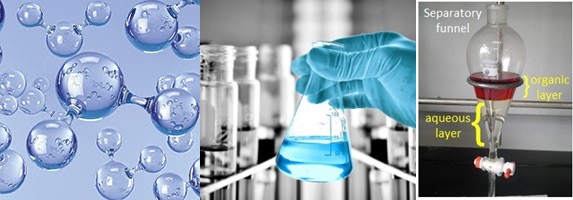
Contaminated drinking water has been one of the most serious public health threats since the mid to late 1800s. Having safe drinking water is critical to maintaining a long and healthy life.
The Delaware Public Health Laboratory is certified by the Environmental Protection Agency (EPA), in accordance with the Safe Drinking Water Act to evaluate inorganic and organic contaminants in drinking water from public and private supplies. These supply sources include, but are not limited, to public water systems, restaurants, stores, and private wells. The Environmental Laboratory also evaluates drinking water with the same testing standards from private supplies especially for citizens who obtain their water from a private well.
The Chemistry Section of the Environmental Laboratory performs laboratory analysis for the detection of over 140 chemical pollutants. This includes, but not limited to, volatile organic compounds (VOCs), disinfection by-products, trace metals, Mercury, anions, routine metals, alkalinity, Total Dissolved Solids (TDS), and conductivity.
Drinking Water Tests at the Delaware Public Health Laboratory
Inorganics
The Chemistry Section provides testing for detection of inorganic compounds by both primary and secondary contaminants could be present in drinking water. This testing can assist in determining the suitability of drinking water for human consumption. The Section utilizes a variety of instruments to perform chemical testing and analysis. A list of the instruments is provided below. These instruments require stringent quality control practices, including calibration, verification, and troubleshooting to properly analyze samples according to the EPA and Standard Methods.
Instrumentation
- Metrohm Automated Titrator
- Shimadzu Atomic Absorption Spectrometer (AA 7000)
- Agilent Atomic Absorption Spectrometer (AA-240)
- Nippon Mercury Analyzer (RA-4300A)
- Perkin Elmer Inductively Coupled Plasma Mass Spectrometer (NexION 350X)
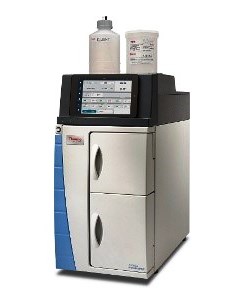
- Thermo Scientific Ion Chromatography (Integrion)
Organics
The Chemistry Section also provides testing for primary, regulated and unregulated organic contaminants in drinking water that could potentially be a health risk for humans if consumed. Examples of common organic contaminants are chloroforms and Haloacetic acids. Like inorganic compounds, detection of organic contaminants requires a variety of complex instrumentation to perform testing and analysis. A detailed list is below. These instruments require extensive quality control practices, including calibration, verification, and troubleshooting to properly perform and analyze samples according to the EPA and Standard Methods.
- Approved Drinking Water Analytical Methods | Methods Approved to Analyze Drinking Water Samples to Ensure Compliance with Regulations | US EPA
- National Primary Drinking Water Regulations including Maximum Contaminant Levels | Ground Water and Drinking Water | US EPA
- Safe Drinking Water Search for the State of Delaware
- Types of Drinking Water Contaminants | Drinking Water Contaminant Candidate List (CCL) and Regulatory Determination | US EPA
- Drinking Water Requirements for States and Public Water Systems | US EPA
More information about drinking water testing
Return to Environmental Laboratory home page.
Return to the Delaware Public Health Laboratory home page.
This page was last updated 1/2024.


