Site Logo Delaware Health and Social Services

    Delaware Division Of Public Health Launches New Fentanyl Test Strip Distribution

    DOVER, DE (Aug. 29, 2022)– The Delaware Division of Public Health’s (DPH) Office of Health Crisis Response (OHCR) is announcing it will begin including fentanyl test strips in Narcan kits it distributes to the public. The effort is part of a harm-reduction strategy aimed at preventing accidental overdoses due to fentanyl consumption.

    Fentanyl is now the leading cause of drug overdose deaths in Delaware, found in more than 80% of fatal overdoses. According to Division of Forensic Science (DFS) data, there were 515 overdose deaths in Delaware in 2021, an increase of 15% from 2020. Fentanyl was found in 83% of those deaths. Individuals can test marijuana, cocaine, meth, ecstasy, and other substances for the presence of fentanyl. The test strips are highly sensitive and will detect fentanyl down to 0.1 mcg/ml. Most overdoses are unintentional, and individuals using may not realize the strength of the drug they are using or that it contains fentanyl. Fentanyl is unable to be detected by sight, taste, smell, or touch.

    “Including fentanyl test strips in Narcan kits, is part of a comprehensive strategy to reduce overdose deaths in the state,” said DPH Interim Director Dr. Rick Hong. “The test strips are a preventive measure. After a test strip detects fentanyl, an individual can choose not to use the drug based on the risk. However, if they choose to use, they can implement alternative harm-reduction strategies, like going slow, not using as much, or/and not using alone. Having Narcan in the same kit empowers family, friends, and neighbors to act in the event of an overdose. Those living with substance use disorder should designate someone trained in using Narcan to check on them. We will continue to discourage drug use and encourage people to seek treatment, but for persons with substance use disorder, we are using a compassionate approach to help raise awareness and empower friends and family to act in an emergency situation.”

    In Delaware, testing strips were considered paraphernalia unless used for clinical purposes until June 3, 2021, when Senate Bill 76 was signed by Governor John Carney, which allows for distribution of fentanyl test strips to be used by lay individuals and organizations. Just prior to that, the Centers for Disease Control and Prevention announced in April 2021, that they would permit state purchases of fentanyl test strips with Overdose Data to Action (OD2A) funding for the purpose of distributing to the public. OD2A supports jurisdictions in collecting high quality, comprehensive, and timely data on nonfatal and fatal overdoses and in using those data to inform prevention and response efforts. DPH is one of sixty-six jurisdictions that joined the OD2A cooperative agreement that focuses on surveillance and prevention strategies.

    Fentanyl test strips are legal in Delaware, though laws may vary in other states. DPH also distributes 10-pack fentanyl test strip kits through a free mail-order program; details can be found at helpisherede.com/understanding-addiction/what-is-fentanyl.

    To further enhance overdose prevention and education efforts, overdose response training is recommended for anyone who has a prescription opioid or knows of someone that has or is using illicit drugs. After the quick training, the individual will receive the overdose reversal medication, Narcan. For community training offerings and information on where you can get free Narcan, go to: https://www.helpisherede.com/overdose-prevention

    If you or a loved one is struggling with addiction in Delaware, call DHSS’ 24/7 Crisis Hotline to be connected to treatment and recovery options. In New Castle County, call 1-800-652-2929. Or in Kent and Sussex counties, call 1-800-345-6785. For free 24/7 counseling, coaching, and support, as well as links to mental health, addiction, and crisis services call the Delaware Hope Line at 1-833-9-HOPEDE. To search online for treatment and recovery services in Delaware or nearby states, visit HelpIsHereDE.com.

    Delaware Health and Social Services is committed to improving the quality of the lives of Delaware’s citizens by promoting health and well-being, fostering self-sufficiency, and protecting vulnerable populations.


    DPH Announces Six New Cases Of Monkeypox; Vaccine Expansion Underway

    DOVER, DE (Aug 23, 2022)– The Delaware Division of Public Health (DPH) is announcing six additional cases of monkeypox (MPX), bringing the state’s total to 17. Of the six new cases, three individuals are from Sussex County and three are from New Castle County. All cases are considered probable pending confirmatory testing by the Centers for Disease Control and Prevention (CDC).

    The New Castle County cases are all males, ages 26, 38 and 57 years old. The Sussex County cases include males who are ages 33, 48 and 58 years old. None of the cases are related to one another. All patients have reported recent high-risk intimate contact prior to onset. The 33-year-old also reported recent travel.

    Currently, while there is no specific treatment for MPX, antivirals can be prescribed, though they are not always needed.

    Vaccines are available to those confirmed to have been exposed, or who are at higher risk of being exposed to the virus. Last week, medical providers who offer HIV PrEP began administering vaccine to patients. This week, vaccine access was further expanded to include those engaging in high-risk activities, including sexual practices, that increase exposure to MPX, such as:

    • Gay, bisexual, and other men who have sex with men and have had multiple (more than one) or any anonymous sexual partners in a social network experiencing monkeypox activity, this includes meeting partners through an online website, digital application (“app”), or social event (e.g., a bar or party)
    • Transgender women or nonbinary persons assigned male at birth who have sex with men
    • Sex workers (of any sexual orientation/gender)
    • Staff (of any sexual orientation/gender) at establishments where sexual activity occurs (e.g., bathhouses, saunas, sex clubs)

    Eligible persons can be vaccinated at the following locations:

    • Beebe Healthcare, as of Friday, Aug. 26. Individuals can schedule an appointment at beebehealthcare.org/online-scheduling. Walk-ins will not be accepted.
    • DPH clinics: Individuals should call the MPX hotline at 866-408-1899 for a screening evaluation. Walk-ins at DPH clinics will not be accepted. Monkeypox vaccinations at DPH clinics will continue to prioritize individuals at highest risk after a DPH evaluation: persons known or presumed to be exposed to someone with MPX in the last 14 days, and certain individuals who have sex with men and who have had multiple sex partners within the past 14 days. As a result, appointments may need to be scheduled a few days out.
    • DPH and CAMP Rehoboth are hosting an event on Aug. 23 at CAMP’s Rehoboth Beach location. The pre-registration for this event is currently full. Walk-ins will not be accepted. DPH is also partnering with AIDS Delaware and the Delaware HIV Consortium to hold a vaccine clinic on Aug. 25 at the Community Services Building in Wilmington. This event is also full. Walk-ins will not be accepted.

    Individuals should be aware that the vaccine, a two-dose series given 28 days apart, is not considered effective until two weeks after the second dose. Those at higher risk should continue to use preventive measures and reduce engaging in any high-risk behaviors until that time.

    Signs and Symptoms

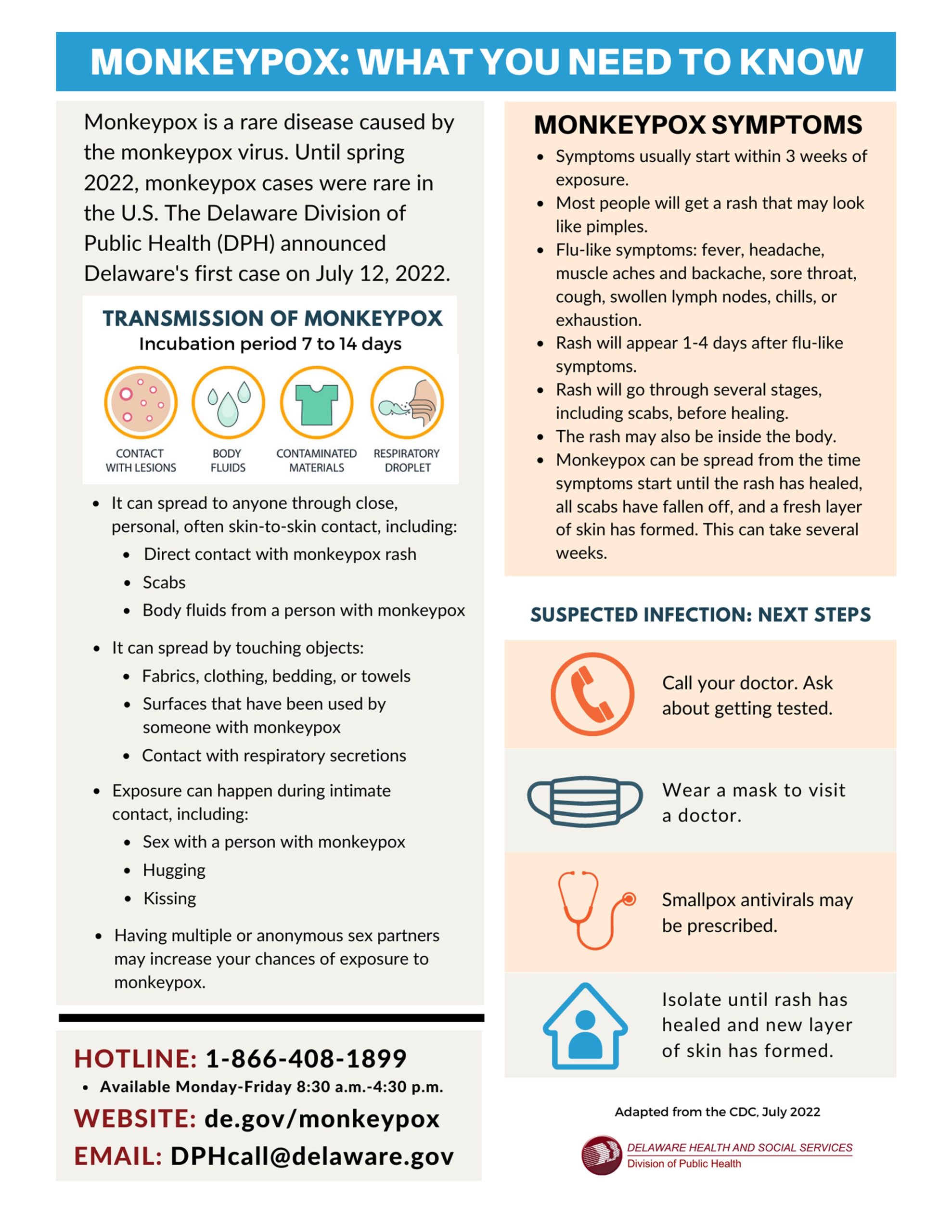
    The symptoms of MPX are similar to but milder than the symptoms of smallpox. Symptoms usually start within three weeks of exposure to the virus. Most people who contract MPX will develop a rash, and some will develop flu-like symptoms beforehand. The flu-like symptoms may include fever, headache, muscle aches and backache, sore throat, cough, swollen lymph nodes, chills, or exhaustion. If someone has flu-like symptoms, they usually will develop a rash one to four days later.

    If you suspect you are experiencing any symptoms associated with MPX you should immediately:

    • Contact your health care provider and discuss your symptoms and concerns.
    • Self-isolate until all lesions have resolved, the scabs have fallen off, and a fresh layer of intact skin has formed.
    • Avoid being intimate with others.
    • Make a list of your close and intimate contacts in the last 21 days

    .

    To learn more information about monkeypox, please visit de.gov/monkeypox. DPH began posting MPX case and vaccine data on the website last week.

    DPH launched a hotline for individuals with questions or concerns about MPX. The hotline number is 866-408-1899 and is operational Monday– Friday from 8:30 a.m. to 4:30 p.m. Questions may also be emailed to DPHCall@delaware.gov. Both the hotline number and email address share staff with the COVID-19 Call Center. To learn more about MPX prevention programs and resources, visit de.gov/monkeypox.

    Anyone who is deaf, hard of hearing, Deaf-Blind or speech disabled can contact DPH by dialing 711 first using specialized devices (i.e. TTY, TeleBraille, voice devices). The 711 service is free and to learn more about how it works, please visit delawarerelay.com.

    DPH, a division of DHSS, urges Delawareans to make healthier choices with the 5-2-1 Almost None campaign: eat 5 or more fruits and vegetables each day, have no more than 2 hours of recreational screen time each day (includes TV, computer, gaming), get 1 or more hours of physical activity each day, and drink almost no sugary beverages.

    Delaware Health and Social Services is committed to improving the quality of the lives of Delaware’s citizens by promoting health and well-being, fostering self-sufficiency, and protecting vulnerable populations.

    Monthly Covid-19 Update � August 19, 2022:Covid-19 Cases Decline In Last Month; DPH Shares Summary Of Most Recent Cdc Updates

    DOVER, DE (Aug. 19, 2022) – The Delaware Division of Public Health (DPH) reports that the 7-day average of new positive COVID-19 cases has declined since the previous monthly update in July. However, COVID-19 is still circulating in the community, and at higher levels in some counties. According to the Centers for Disease Control and Prevention’s (CDC) COVID-19 Community Levels data tracker, which was last updated on August 11, case levels in Kent and Sussex counties are considered high, while case levels in New Castle County are listed as medium.

    Additionally, the CDC has updated its COVID-19 guidelines related to isolation and quarantine. Delaware public health officials have met with community leaders to discuss the changes and considered the concerns of the community as public health adjusts to the new guidelines presented by the CDC.

    The CDC indicated its updates were a result of information learned as the pandemic has evolved. The agency indicates that several factors have led to increased levels of overall protection against the virus, including high levels of vaccination (the majority of Americans have at least one dose of the vaccines), as well as infection-induced immunity, the availability of COVID treatments and prevention tools such as masking.

    There were no changes to guidelines regarding isolation (staying home for five days if you test positive for COVID), except to offer an early end to masking during the second five days after leaving isolation. If you wish to end mask use early (essentially on day 8), then you will need to take two antigen tests, 48 hours apart, with the first test being on day 6. If both tests come back negative, you can discontinue masking on day 8. If either test comes back positive, continue masking.

    If you are a close contact of someone with COVID-19, you must mask for 10 days regardless of vaccination status as it can take up to 10 days after exposure to become positive for COVID-19, but you are no longer asked to quarantine (stay home) if you are not up-to-date with vaccines. The updated guidance also places additional emphasis on improving ventilation in indoor spaces.

    Delaware-specific data, comparing the January 2022 surge, to now, supports the rationale leading to the updated guidance. At its peak on January 11, DPH reported a 7-day daily average of 3,339.4 new positive cases. Today, DPH reports a 7-day daily average of 279.4 COVID-19 cases. Delawareans are urged to continue safe practices such as masking in crowded indoor spaces, isolating themselves when feeling sick, getting vaccinated, testing, and following the CDC’s guidelines if you have a positive test result.

    The below data is as reported on Delaware’s My Health Community data portal on Thursday, Aug. 18, 2022.

    • COVID-19 Cases and Hospitalizations:

      Total positive cases since March 11, 2020: 299,822*

    • 7-day daily average of new positive cases: 279.4, a decrease of 27.3 average new positive cases reported since July 15, 2022
    • 7-day daily average for the percentage of total positive tests: 18.4 percentage points, an increase of 0.9 percentage points reported since July 15, 2022
    • Hospitalizations: 172 current hospitalizations; critically ill: 16
    • Total COVID-19 deaths: 3,036, an increase of 28 since last month

    *Case and testing data are based on reporting of lab-confirmed COVID-19 tests only. The number of COVID-19 cases in the community is higher than what is reported because of the use of at-home test kits.

    Vaccine Updates

    The Novavax vaccine is now available in Delaware, including at DPH clinics. In July, the FDA issued an Emergency Use Authorization (EUA) for Novavax. It is considered a protein subunit vaccine type, and is similar to currently approved vaccines for Hepatitis B and whooping cough (pertussis). Novavax is recommended for people 18 years and older, and is offered in a two-dose series, given at least three weeks apart. It is not yet recommended as a booster, or recommended to mix and match with other vaccines. To find a Novavax vaccine, visit vaccines.gov and search for Novavax.

    While like the flu vaccine, COVID-19 vaccines may not prevent all infection, they still prevent some and are primarily responsible for preventing hospitalizations and deaths. Both hospitalizations and deaths are significantly lower than in the beginning of the pandemic, prior to vaccine availability. The latest information from the CDC indicates that a bivalent booster, designed to protect against both the original strain of COVID-19 and Omicron-specific variant strains, may be available by mid-September. Current information, which is subject to change, is that this is a booster that will only be available to those who have completed their primary series. Initially, it is also not believed to be authorized for use in children under age 12. DPH encourages individuals who have not completed their primary series (gotten both doses of a two-dose vaccine) to do so now, and for parents who may have been waiting, to vaccinate their children using the currently available vaccine options. DPH has begun reaching out to enrolled vaccine providers to place pre-orders for the vaccine so they are ready for shipment once the FDA issues an EUA for the bivalent booster.

    Here is the latest COVID-19 vaccine data for Delaware, as of Thursday, Aug. 18, 2022.

    COVID-19 Vaccinations:

    • Total number of doses administered in Delaware: 1,882,646
    • Percentage of Delawareans 5+ who are fully vaccinated (CDC data): 74.8%
    • Percentage of Delawareans 12+ who are fully vaccinated (CDC data): 79%
    • Percentage of Delawareans 18+ who are fully vaccinated (CDC data): 80.5%
    • Percent of Delawareans who are fully vaccinated (CDC data): 70.7%

    All qualifying Delawareans should get vaccinated. For a location near you, visit de.gov/getmyvaccine.. Delaware’s latest COVID-19 vaccination statistics can be found under the Vaccine Tracker dashboard at de.gov/healtycommunity

    COVID-19 Case Vaccination Status Report:

    The following reports capture a weekly breakdown of non-boosted cases, deaths, and hospitalizations for the time frame of Aug 8– Aug 14, 2022.

    Weekly Overview

    (08/08/22– 08/14/22)

    # of Non-boosted Cases

    Total Non-boosted

    1384

    Total Cases

    2068

    Percent of Non-boosted Cases

    67%

    Non-boosted Hospitalized cases

    # of Cases

    Total Non-boosted Hospitalized Cases

    147

    Total Hospitalized Cases

    205

    Percent of Non-boosted Cases

    71%

    Non-boosted Deaths

    # of Cases

    Total Non-boosted Deaths

    0

    Total COVID-19 Deaths

    0

    Percent of Non-boosted Deaths

    0%

    Long-term Care Statistics:

    As of Thursday, July 14, 2022, there have been a total of 4,359 positive COVID-19 cases involving long-term care residents, and 971 residents of Delaware long-term care facilities have died from complications related to COVID-19.

    Resources:

    Individuals with general questions about COVID-19 should call Delaware 2-1-1, individuals who are deaf or hard of hearing can text their ZIP code to 898-211, or email delaware211@uwde.org. Hours of operation are:

    • Monday– Friday: 8:00 a.m. to 9:00 p.m.
    • Saturday: 9:00 a.m. to 5:00 p.m.

    Medically related questions regarding testing, symptoms, and health-related guidance can be submitted by email at DPHCall@delaware.gov.

    DPH will continue to update the public as more information becomes available. For the latest on Delaware’s response, go to de.gov/coronavirus.

    Anyone who is deaf, hard of hearing, Deaf-Blind or speech disabled can contact DPH by dialing 711 first using specialized devices (i.e. TTY, TeleBraille, voice devices). The 711 service is free and to learn more about how it works, please visit delawarerelay.com.

    DPH, a division of DHSS, urges Delawareans to make healthier choices with the 5-2-1 Almost None campaign: eat 5 or more fruits and vegetables each day, have no more than 2 hours of recreational screen time each day (includes TV, computer, gaming), get 1 or more hours of physical activity each day, and drink almost no sugary beverages.

    Delaware Health and Social Services is committed to improving the quality of the lives of Delaware’s citizens by promoting health and well-being, fostering self-sufficiency, and protecting vulnerable populations.

    DPH Announces Partnerships To Expand Access To The Monkeypox Vaccine For Eligible Persons

    Dover, DE (Aug 18, 2022)– The Delaware Division of Public Health (DPH) is announcing additional locations where those who meet eligibility criteria can get the monkeypox (MPX) vaccine. On Monday, DPH expanded access to the vaccine to those living with HIV and those receiving HIV pre-exposure prophylaxis (PrEP). Additionally, on Aug. 22, access will be expanded to include those engaging in high-risk activities, including sexual practices, that increase exposure to MPX such as:

    • Gay, bisexual, and other men who have sex with men and have had multiple (more than one) or any anonymous sexual partners
    • Transgender women or nonbinary persons assigned male at birth who have sex with men
    • Sex workers (of any sexual orientation/gender)
    • Staff (of any sexual orientation/gender) at establishments where sexual activity occurs (e.g., bathhouses, saunas, sex clubs)

    To date, DPH has been administering the vaccine at its public health clinics by appointment only. Individuals seeking a vaccine from DPH must contact the MPX Hotline number (1-866-408-1899) to be evaluated by a DPH staff member and schedule an appointment with a DPH clinic. Walk-ins for vaccination will not be accepted.

    Two medical providers who offer HIV PrEP began administering vaccine this week. One of these valued partners, Beebe Healthcare, has agreed to begin vaccinating community members who meet any of the eligibility criteria indicated above starting Friday, Aug. 26. Individuals can schedule an appointment at beebehealthcare.org/online-scheduling starting Monday, Aug. 22. Walk-ins will not be accepted.

    Additionally, the week of Aug. 22, DPH is partnering with AIDS Delaware and the HIV Consortium, as well as CAMP Rehoboth to host vaccination events. The event with AIDS Delaware and the Delaware HIV Consortium will be held Aug. 25, from 9:00 am until 3:00 pm, at the Community Services Building located at 100 W. 10th Street in Wilmington. Pre-registration is required. Walk-ins will not be accepted. To register for this event, eligible persons are directed to call AIDS Delaware at 302-652-6776.

    DPH and CAMP Rehoboth are also hosting an event on Aug. 23 at CAMP’s Rehoboth Beach location. The pre-registration for this event is currently full. Walk-ins will not be accepted. DPH is also onboarding additional partners and will announce new locations as they are finalized.

    Monkeypox vaccinations at DPH clinics will continue to prioritize individuals at highest risk after a DPH evaluation: persons known or presumed to be exposed to someone with MPX in the last 14 days, and certain individuals who have sex with men and who have had multiple sex partners within the past 14 days. As a result, appointments may need to be scheduled a few days out.

    Individuals should be aware that the vaccine, a two-dose series given 28 days apart, is not considered effective until two weeks after the second dose. Particularly those at higher risk should continue to use preventive measures and reduce engaging in any high-risk behaviors until that time.

    To learn more information about monkeypox, please visit de.gov/monkeypox. DPH began posting MPX case and vaccine data on the website this week. As of today, Delaware has 11 confirmed cases of MPX.

    The DPH hotline is for individuals with questions or concerns about MPX. The DPH Hotline number is 866-408-1899 and is operational Monday– Friday from 8:30 a.m. to 4:30 p.m. Questions may also be emailed to DPHCall@delaware.gov. Both the hotline number and email address share staff with the COVID-19 Call Center.

    Anyone who is deaf, hard of hearing, Deaf-Blind or speech disabled can contact DPH by dialing 711 first using specialized devices (i.e., TTY, TeleBraille, voice devices). The 711 service is free and to learn more about how it works, please visit delawarerelay.com.

    The Delaware Department of Health and Social Services is committed to improving the quality of the lives of Delaware’s citizens by promoting health and well-being, fostering self-sufficiency, and protecting vulnerable populations.

    Delaware Health and Social Services is committed to improving the quality of the lives of Delaware’s citizens by promoting health and well-being, fostering self-sufficiency, and protecting vulnerable populations.

    DPH Announces Five New Monkeypox Cases And Expanded Access To Vaccine

    DOVER, DE (Aug 15, 2022)– The Delaware Division of Public Health (DPH) is announcing five additional cases of monkeypox (MPX), bringing the state’s total to 11. All cases are considered probable pending confirmatory testing by the Centers for Disease Control and Prevention (CDC).

    The five most recent cases are all males. Two, a 23-year-old and a 57-year-old are from Sussex County. The other three, a 28-year-old, a 34-year-old, and a 37-year-old, are from New Castle County. All cases are unrelated to the others. The 23, 37 and 57-year-olds all reported intimate contact with an individual confirmed to be positive for MPX. The 34-year-old had recent intimate contact with another person, but the person was not known to have MPX. No contact information is known for the 28-year-old. None of the individuals reported travel.

    Currently, there is no specific treatment for MPX. However, antivirals can be prescribed.

    Delaware is also announcing that starting today, Monday, Aug. 15, it will expand access to the vaccine used for MPX to individuals who are living with HIV, as well as those receiving pre-exposure prophylaxis (PrEP) for HIV. Individuals living with HIV or receiving HIV PrEP should first contact their medical provider or PrEP treatment center to ask if they are offering the vaccine. If the provider is not, the person may contact the DPH Hotline at 866-408-1899 to schedule an appointment with a DPH clinic. Walk-ins for vaccination will not be accepted. Vaccinations at DPH clinics will continue to be prioritized first for the following individuals at highest risk who have been receiving vaccine thus far based upon DPH evaluation: persons known or presumed to be exposed to someone with MPX in the last 14 days, and certain individuals who have sex with men and who have had multiple sex partners within the past 14 days. As a result, appointments may need to be scheduled a few days out.

    As a result of the White House announcement on Tuesday, Aug. 9, allowing states to stretch their vaccine supplies by administering one-fifth of the dose via a different injection method (just under the skin rather than into the muscle), DPH is now able to plan for further expansion of vaccine access. Delays in roll out are due to the need to support training in the alternate administration method, and obtain supplies needed for this method as well.

    Beginning Aug. 22, individuals in the following higher risk categories will have access to the vaccine. More details about where vaccines will be available will be shared later in the week. Access will be expanded to include those engaging in high-risk activities, including sexual practices, that increase exposure to MPX such as:

    • Gay, bisexual, and other men who have sex with men and have had multiple (more than one) or any anonymous sexual partners
    • Transgender women or nonbinary persons assigned male at birth who have sex with men
    • Sex workers (of any sexual orientation/gender)
    • Staff (of any sexual orientation/gender) at establishments where sexual activity occurs (e.g., bathhouses, saunas, sex clubs)”¯

    Individuals should be aware that the vaccine, a two-dose series given 28 days apart, is not considered effective until two weeks after the second dose. Particularly those at higher risk should continue to use preventive measures and reduce engaging in any high-risk behaviors until that time.

    While MPX vaccine will be expanding, not everyone needs the vaccine. Unlike with COVID-19, the spread is primarily through direct contact with an infected person and not airborne transmission. Those engaging in behaviors, including intimate contact with multiple partners are at higher risk than the general public.

    There are things that each person in the general public can do to protect themselves regardless of their ability to access the vaccine, such as limiting direct contact with anyone with a concerning rash, limiting the number of intimate partners, talking openly with intimate contacts about recent behaviors, and not sharing bedding, towels and eating or drinking utensils with anyone who does.

    The vaccine, JYENNOS, used to prevent MPX, is fully FDA approved for use against smallpox. However, if you received a previous smallpox vaccine more than three years ago, it may not provide protection now. During the 2003 outbreak and current outbreaks, people who have been infected with MPX had previously been vaccinated against smallpox decades prior.

    Most people with monkeypox do not require hospitalization and may isolate at home. Monkeypox spreads between people through direct contact with an infectious rash, body fluids, or by respiratory secretions during prolonged, face-to-face contact. The transmission of the monkeypox virus is possible from the onset of the first symptoms until the scabs have separated and the skin has fully healed.

    As fall sports practices begin, individuals who participate in sports should practice preventive measures whenever possible. This includes laundering uniforms after each game or practice, seeking advice from their primary care provider concerning rashes, sanitizing team spaces when they are not in use, not sharing sweat towels, water bottles, mouth guards or other gear, and refraining from leaving unused personal gear laying around. Organizations should consider separate seating during games from fans for players; players not playing should avoid sharing benches with fans. Isolated seating will reduce close contact with possible rashes from fans to players.

    Signs and Symptoms

    The symptoms of MPX are similar to but milder than the symptoms of smallpox. Symptoms usually start within three weeks of exposure to the virus. Most people who contract MPX will develop a rash, and some will develop flu-like symptoms beforehand. The flu-like symptoms may include fever, headache, muscle aches and backache, sore throat, cough, swollen lymph nodes, chills, or exhaustion. If someone has flu-like symptoms, they usually will develop a rash one to four days later.

    If you suspect you are experiencing any symptoms associated with MPX you should immediately:

    • Contact your health care provider and discuss your symptoms and concerns.
    • Self-isolate until all lesions have resolved, the scabs have fallen off, and a fresh layer of intact skin has formed.
    • Avoid being intimate with others.
    • Make a list of your close and intimate contacts in the last 21 days.

    DPH launched a hotline for individuals with questions or concerns about MPX. The hotline number is 866-408-1899 and is operational Monday– Friday from 8:30 a.m. to 4:30 p.m. Questions may also be emailed to DPHCall@delaware.gov. Both the hotline number and email address share staff with the COVID-19 Call Center. To learn more about MPX prevention programs and resources, visit de.gov/monkeypox.

    Upcoming Town Halls

    Beebe Healthcare is inviting the public to a virtual town hall for a discussion on Monkeypox virus in Sussex County at 5:30 p.m. Monday, Aug. 15. David A. Tam, MD, MBA, CPHE, FACHE, President & CEO, and Bill Chasanov, DO, Beebe’s Chief Population Health Officer, will share updates on Monkeypox as a public health concern. To watch, join Beebe’s Facebook or YouTube page for the live presentation. Recordings will be published for viewing after the town hall ends. Live ASL interpretation will be available on screen.

    CAMP Rehoboth Community Center will hold a town hall on Tuesday, Aug. 16, from 7 p.m. to 8:30 p.m. addressing the MPX situation in Delaware. This town hall is in partnership with the Delaware Department of Health and Social Services. DHSS Secretary Molly Magarik will be discussing Delaware’s response to the virus in the CAMP community and will field questions and concerns from community members. The event will be held at CAMP Rehoboth, 37 Baltimore Avenue, Rehoboth Beach. Registration is required:
    https://www.eventbrite.com/e/town-hall-addressing-hmpvx-virus-in-our-community-tickets-400799531187

    Anyone who is deaf, hard of hearing, Deaf-Blind or speech disabled can contact DPH by dialing 711 first using specialized devices (i.e. TTY, TeleBraille, voice devices). The 711 service is free and to learn more about how it works, please visit delawarerelay.com.

    DPH, a division of DHSS, urges Delawareans to make healthier choices with the 5-2-1 Almost None campaign: eat 5 or more fruits and vegetables each day, have no more than 2 hours of recreational screen time each day (includes TV, computer, gaming), get 1 or more hours of physical activity each day, and drink almost no sugary beverages.

    Delaware Health and Social Services is committed to improving the quality of the lives of Delaware’s citizens by promoting health and well-being, fostering self-sufficiency, and protecting vulnerable populations.

    DPH Seeks Community-Based Applicants For Advancing Healthy Lifestyles Mini-Grants

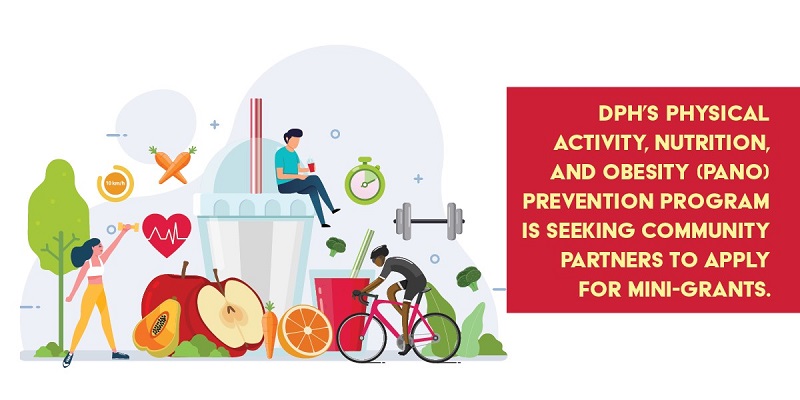
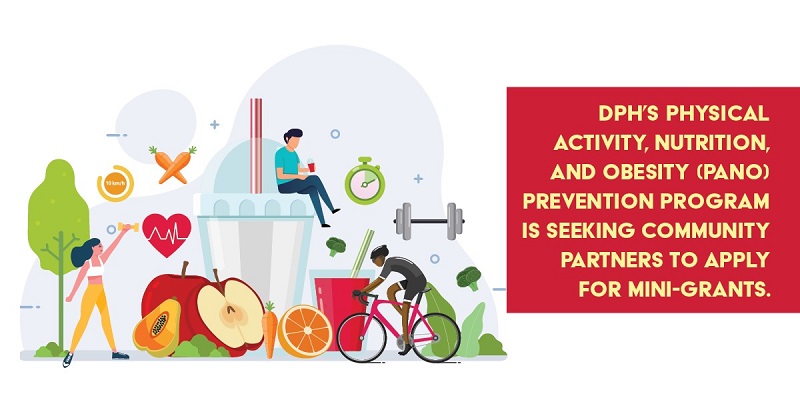
    DOVER, DE (Aug. 8, 2022)– The Delaware Division of Public Health’s (DPH) Physical Activity, Nutrition, and Obesity Prevention Program (PANO) is seeking mini-grant applications as part of the Advancing Healthy Lifestyles (AHL) initiative to improve community health and reduce chronic health conditions.

    PANO expects to award five to eight mini-grants ranging from $5,000 to $15,000 in September. All applications are due no later than August 17. The project period will run from October 2022 to May 2023. PANO will award the mini-grants based on several criteria, including the project’s alignment with AHL outcomes and whether the applicant uses an equity-based approach. Mathematica, the technical assistance contractor on the AHL Initiative, will manage the mini-grant program and contracts on PANO’s behalf.

    “Good health begins with good habits and good nutrition,” said DPH Associate Deputy Director Cassandra Codes-Johnson. “Many chronic conditions and life-threatening illnesses can be prevented with diet, exercise and healthy habits. DPH is committed to ensuring that all Delawareans have access to the tools they need to lead longer, healthier lives.”

    In January 2021, PANO began work on the AHL initiative by implementing suggestions from the Delaware Cancer Consortium’s (DCC) subcommittee in schools, youth-serving organizations, and in community-based organizations.

    Through the AHL initiative, PANO seeks to reduce obesity and other chronic conditions while striving to achieve health equity among all Delaware residents. PANO aims to support programs aligned with the goals of the AHL initiative through its policy, systems and environmental (PSE) and health equity approaches. Community partners are uniquely able to provide outreach and education, as well as opportunities to improve physical activity, offer access to healthy food, and work towards maintaining a healthy weight.

    Grant Eligibility and Requirements

    Applications should include a description of how the applicant will be flexible in response to changes in the COVID-19 pandemic and how projects will serve people who are disproportionately impacted by chronic disease and COVID-19.

    Who can apply? Eligibility for the mini-grants includes:

    • Municipalities, community-based organizations and/or non-profits
      • Applicants must have a Delaware business license or proof of non-profit status and liability insurance
      • If the applicant does not meet these requirements, the applicant may choose to partner with another organization to be their fiscal agent

    PANO hosted an informational session on the mini-grant applications on July 28, 2022. To view the recording or access the application, visit the Advancing Healthy Lifestyles|Healthy Delaware website.

    Disparities in Obesity: Delaware

    According to the 2021 State of Obesity Report by Trust for America’s Health (TFAH), 36.5% of adult Delawareans were overweight and another 32.2% were obese in 2020. The report found Black Delaware adults disproportionately obese (43%) compared to white Delaware adults (33%). It also reported thirty-eight percent (38%) of Delaware adults over 65 years are obese. According to the CDC, obesity is a risk factor linked to at least 13 types of cancer. As Delaware’s population ages, the rising prevalence of obesity raises the likelihood of Delawareans living with and dying from chronic disease in the future.

    AHL Accomplishments to Date

    • Established a partnership between the Boys & Girls Clubs of Delaware and public schools to pilot the Triple Play model, which seeks to improve students’ knowledge of nutrition and fitness, increase physical activities and strengthen students’ skills for engaging in healthy relationships
    • Engaged with three community partners the American Lung Association, University of Delaware– Cooperative Extension, and Delaware State University to support the implementation of partners’ health promotion models through financial support and intensive technical assistance
    • Led the development and implementation of the Work for Wellness program, which supports the organizational capacity and implementation of healthy promotion activities in Delaware’s executive branch agencies and departments.

    To learn more about the Advancing Healthy Lifestyles initiative, please visit https://www.healthydelaware.org/Community-Partners/Advancing-Healthy-Lifestyles.

    Anyone who is deaf, hard of hearing, Deaf-Blind or speech disabled can contact DPH by dialing 711 first using specialized devices (i.e. TTY, TeleBraille, voice devices). The 711 service is free and to learn more about how it works, please visit delawarerelay.com.

    DPH, a division of DHSS, urges Delawareans to make healthier choices with the 5-2-1 Almost None campaign: eat 5 or more fruits and vegetables each day, have no more than 2 hours of recreational screen time each day (includes TV, computer, gaming), get 1 or more hours of physical activity each day, and drink almost no sugary beverages.

    Delaware Health and Social Services is committed to improving the quality of the lives of Delaware’s citizens by promoting health and well-being, fostering self-sufficiency, and protecting vulnerable populations.

    Delaware Animal Services Seeks Tips In Dog Abandonment Case Resulting In Death

    DOVER, DE (Aug. 5)– The Office of Animal Welfare’s (OAW) Delaware Animal Services (DAS) is seeking the public’s help with providing any information that may lead to identifying the person responsible for abandoning a dog that was found clinging to life earlier this week. The dog was found in the brush, off North Little Creek Road in Dover, by DelDOT workers who immediately contacted DAS.

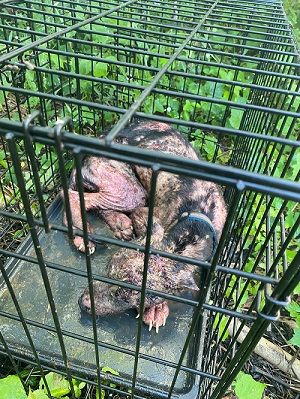
    OAW officers responded to the call and found the dog barely responsive. They rushed her to a local veterinary hospital for care. The emaciated dog lost most of her hair and was covered in sores and scabs. Despite best efforts to save her, she subsequently died from her condition. DAS is now seeking any tips from the public that may help find the person or persons responsible for this terrible act.

    The female, medium-sized dog was left in a crate in very tall weeds set back off the road near the Route 1 overpass. She is estimated to be approximately two years old, had very long nails and was wearing a blue, orange, and white striped collar. She did not have a microchip.

    Due to her condition, the breed of dog could not be determined. Anyone with any information is urged to contact Delaware Animal Services at 302-255-4646 or online at animalservices.delaware.gov. Tips may be made anonymously.

    Unforeseen life events such as financial hardships, health concerns or behavioral problems may force Delawareans to give up a beloved pet. OAW provides assistance to pet owners to prevent similar circumstances from happening. Visit https://www.dhss.delaware.gov/DPH/oaw/rehomingdog.html for more information.

    Delaware Health and Social Services is committed to improving the quality of the lives of Delaware’s citizens by promoting health and well-being, fostering self-sufficiency, and protecting vulnerable populations.

    Delaware Animal Services Seeks Tips In Dog Abandonment Case Resulting In Death

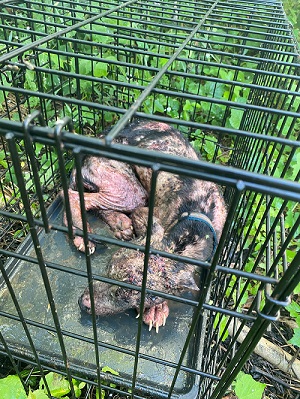
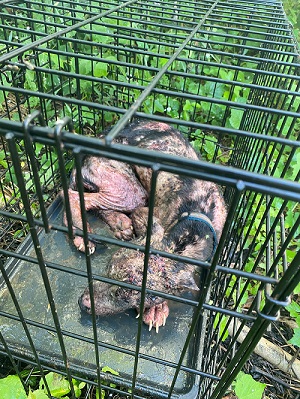
    DOVER, DE (Aug. 5)– The Office of Animal Welfare’s (OAW) Delaware Animal Services (DAS) is seeking the public’s help with providing any information that may lead to identifying the person responsible for abandoning a dog that was found clinging to life earlier this week. The dog was found in the brush, off North Little Creek Road in Dover, by DelDOT workers who immediately contacted DAS.

    OAW officers responded to the call and found the dog barely responsive. They rushed her to a local veterinary hospital for care. The emaciated dog lost most of her hair and was covered in sores and scabs. Despite best efforts to save her, she subsequently died from her condition. DAS is now seeking any tips from the public that may help find the person or persons responsible for this terrible act.

    The female, medium-sized dog was left in a crate in very tall weeds set back off the road near the Route 1 overpass. She is estimated to be approximately two years old, had very long nails and was wearing a blue, orange, and white striped collar. She did not have a microchip.

    Due to her condition, the breed of dog could not be determined. Anyone with any information is urged to contact Delaware Animal Services at 302-255-4646 or online at animalservices.delaware.gov. Tips may be made anonymously.

    Unforeseen life events such as financial hardships, health concerns or behavioral problems may force Delawareans to give up a beloved pet. OAW provides assistance to pet owners to prevent similar circumstances from happening. Visit https://www.dhss.delaware.gov/DPH/oaw/rehomingdog.html for more information.

    Delaware Health and Social Services is committed to improving the quality of the lives of Delaware’s citizens by promoting health and well-being, fostering self-sufficiency, and protecting vulnerable populations.

    Delaware’S Pandemic Ebt Program Will Provide Benefits To Help Feed Children During The Summer

    NEW CASTLE (Aug. 2, 2022)– Eligible Delaware households will receive emergency food assistance benefits under the Pandemic Electronic Benefit Transfer (P-EBT) program to cover the summer period when children are on break and not receiving meals at school.

    The following children are eligible for the Summer P-EBT benefit:

    1. Children who were eligible for free or reduced-price school meals during the last month of the 2021-2022 school year. This includes children who graduated at the end of the 2021-2022 school year.
    2. Children who are determined newly eligible for free or reduced-price school meals during this summer and were enrolled in a Delaware school during the 2021-2022 school year. Households that submit a meal application to their school on or before Aug. 26, 2022, and are approved will qualify for Summer P-EBT as long as the child was enrolled in the school for the 2021-2022 school year.
    3. Children under age 6 who are part of a household that is receiving Supplemental Nutrition Assistance Program (SNAP) food benefits during this summer.

    The Department of Health and Social Services’ Division of Social Services (DSS) is collaborating with the Delaware Department of Education and Delaware schools to issue the Summer P-EBT benefit beginning this month. Households will receive the U.S. Standard Summer P-EBT Benefit of $391.00 for each eligible child in their home. The Summer P-EBT benefit will be split into two separate issuances.

    Issuance Amount

    (for each eligible child)

    Date Benefits will be

    Available on EBT Cards

    $195.00 August 5, 2022
    $196.00 September 2, 2022

    The date that benefits are issued to individual households depends on when P-EBT eligibility information is received from Delaware schools.

    P-EBT benefits may be used to purchase food at stores that accept SNAP EBT cards. SNAP households will have P-EBT benefits loaded on their existing SNAP EBT cards. Households that do not receive SNAP will have P-EBT benefits loaded on the P-EBT card that was sent to them in a previous school year. Newly eligible non-SNAP households will receive a P-EBT card in the mail along with details on how to use the card.

    “For vulnerable families across our state, the Summer Pandemic EBT program is an important way to make sure that the nutritional needs of children continue to be met when they are away from school,” said DHSS Secretary Molly Magarik. “We are grateful to the federal government and Delaware’s congressional delegation for providing critical funding to support eligible Delaware families.”

    DHSS estimates that it will issue $43.8 million in P-EBT benefits to parents or guardians of approximately 112,050 children this summer.

    Eligible households will receive written notification in the mail regarding the Summer P-EBT benefit. P-EBT eligibility is based on information received from Delaware schools.

    Families who would like to apply for free or reduced-price school meals may contact the School Nutrition Program for their child’s school or visit their school’s website to complete an application. Families must apply for free or reduced-price meals by Aug. 26, 2022, to be potentially eligible for Summer P-EBT.

    Please contact the Division of Social Services at 1-866-843-7212 if you have questions about Delaware’s P-EBT Program. Visit Delaware’s P-EBT website for more information.

    Delaware Health and Social Services is committed to improving the quality of the lives of Delaware’s citizens by promoting health and well-being, fostering self-sufficiency, and protecting vulnerable populations.
    Delaware Division Of Public Health Reports Two New Cases Of Monkeypox; Risk To Public Remains Low

    DOVER, DE (July 21, 2022) – The Delaware Division of Public Health (DPH) is announcing the state’s second and third cases of the monkeypox virus (MPX). Both cases are considered probable pending confirmatory testing by the Centers for Disease Control and Prevention (CDC).

    This week, DPH received test results showing that a 46-year-old Sussex County man tested positive for MPX. The patient did not report any travel, and first reported symptoms on July 18. DPH is working to contact the patient to inform them about treatment options and interview them to obtain a list of possible contacts.

    Additionally, DPH received test results this week showing that a 25-year-old Kent County man tested positive for MPX. The patient did not report any travel, and first reported symptoms on July 14. The patient has been advised to self-isolate until lesions have fallen off and new skin appears.

    “The overall risk to the public is low and remains low,” said DPH Interim Director Dr. Rick Hong. “MPX is transmitted through close intimate contact with individuals who have rashes or flu-like symptoms. We urge people to educate themselves about this rare disease, including how it is spread, and to help prevent exposure. DPH will continue to work with medical providers to screen and identify individuals for MPX testing. And we will prioritize our limited supply of vaccine for people who have been exposed to MPX for post-exposure prophylaxis (PEP).”

    Beginning July 21, DPH will operate a hotline for individuals with specific concerns because of symptoms or possible exposure. The hotline number is 866-408-1899 and the number will operate with the following hours:

    • Monday– Friday from 8:30 a.m. to 4:30 p.m.

    Currently, there is no specific treatment for the monkeypox virus infection; however, antivirals, can be prescribed. DPH has received a limited supply of the vaccine, which needs to be given in two doses 28 days apart. Those who are at the highest risk of exposure to the virus include:

    • People who have been identified as a contact of someone with MPX
    • People who are aware that one of their sexual partners in the past two weeks was diagnosed with MPX
    • People who had multiple sexual partners in the past two weeks in an area with known MPX

    Until spring 2022, MPX cases were rare in the United States. Today, there are more than 2,300 cases nationwide, with Delaware announcing its first case on July 12, 2022, involving a 41-year-old New Castle County patient.

    Signs and Symptoms

    The symptoms of MPX are similar to but milder than the symptoms of smallpox. Symptoms usually start within three weeks of exposure to the virus. Most people who contract MPX will develop a rash, and some will develop flu-like symptoms beforehand. The flu-like symptoms may include fever, headache, muscle aches and backache, sore throat, cough, swollen lymph nodes, chills, or exhaustion. If someone has flu-like symptoms, they usually will develop a rash one to four days later.

    If you suspect you are experiencing any symptoms associated with MPX you should immediately:

    • Contact your health care provider and discuss your symptoms and concerns.

    • Self-isolate until all lesions have resolved, the scabs have fallen off, and a fresh layer of intact skin has formed.
    • Avoid being intimate with others.
    • Make a list of your close and intimate contacts in the last 21 days.

    To prevent infection with MPX:

    • Avoid close, skin-to-skin contact with people who have a rash that looks like MPX.
    • Do not touch the rash or scabs of a person with MPX.
    • Do not kiss, hug, cuddle or have sex with someone with MPX.
    • Do not share eating utensils or cups with a person with MPX.
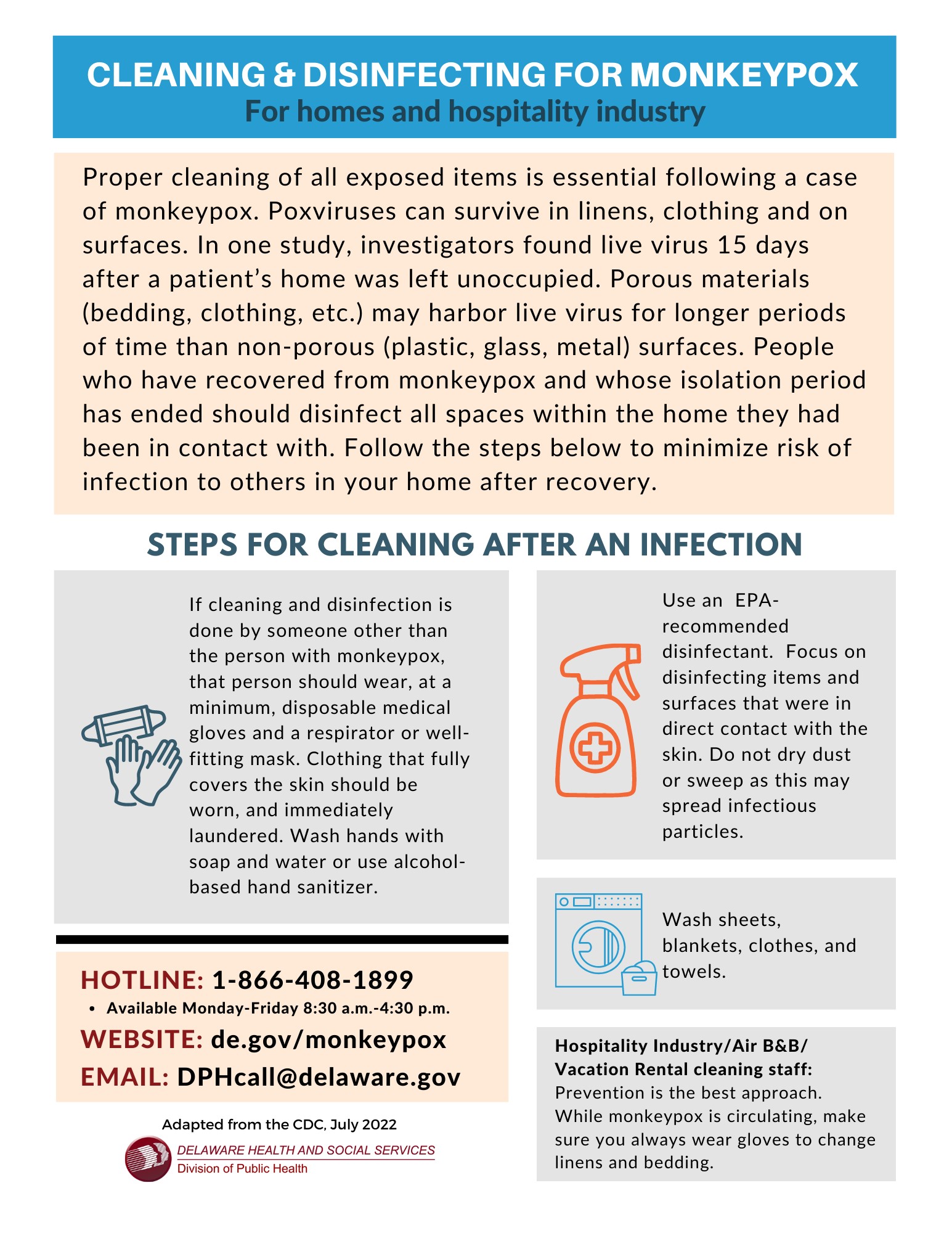
    • Do not handle or touch the bedding, towels, or clothing of a person with MPX.
    • Wash your hands often with soap and water or use an alcohol-based hand sanitizer.

    To learn more about MPX management and prevention programs and resources, visit https://dhss.delaware.gov/DPH/epi/emerginginfectiousdiseases.html.

    Delaware Health and Social Services is committed to improving the quality of the lives of Delaware’s citizens by promoting health and well-being, fostering self-sufficiency, and protecting vulnerable populations.