
Site Logo Delaware Health and Social Services

    DPH Releases Latest Cancer Incidence And Mortality Trends In Delaware

    DOVER, DEL. (Oct. 14, 2024)– Delaware’s cancer mortality rate continues to decline, according to the latest data from the Delaware Division of Public Health (DPH). Delaware and the U.S. saw their mortality rates go down by an average of 1.8% and 1.5%, respectively, between 2007 and 2021. In the 2024 report, which looked at the 2017-2021 time period, Delaware ranked 16th among the states for highest all-site (i.e., all cancer types) cancer mortality, with lower rankings indicating cancer mortality rates. State cancer mortality has improved considerably since the 1990s, when it ranked second in the nation.

    DPH presented its data report, Cancer Incidence and Mortality in Delaware, 2017-2021, to the Delaware Cancer Consortium (DCC) today. These cancer statistics reflect incidence and mortality data for 2017-2021 period and to those of the U.S. over the same period. The report also summarizes how Delaware and U.S. cancer rates have changed from 2007 to 2021.

    DPH will release the Census Tract Level Cancer Incidence report in January 2025 due to a delay in the availability of national population estimates from the Surveillance Epidemiology and End Results (SEER) program. This report presents calculations and detailed maps with all-site cancer incidence rates by census tract in Delaware.

    “The decrease in cancer deaths in Delaware reflects earlier cancer detection, prevention, and better access to timely care and quality of life among cancer survivors,” said Governor John Carney. “Thanks to the Delaware Cancer Consortium and the Division of Public Health, our cancer mortality rate has declined because they have worked diligently to prevent cancer, primarily through cancer screening.”

    The top four cancers for incidence in Delaware are: female breast (139.2 per 100,000 population), prostate (130.2 per 100,000 population), lung and bronchus (55.9 per 100,000 population), and colorectal (33.7 per 100,000 population).

    The top four cancers for mortality in Delaware are: lung and bronchus (36.4 per 100,000 population), female breast (21.1 per 100,000 population), prostate (19.0 per 100,000 population) and colorectal (12.3 per 100,000 population). These are also the same trends in the U.S. with slight variations in rates.

    Other key findings include:

    • Between 2007 and 2021, mortality rates for all-site cancer decreased among non-Hispanic White males, non-Hispanic White females, and non-Hispanic Black males year over year. All-site cancer mortality rates were stable among non-Hispanic Black females, Hispanic males, and Hispanic females in Delaware.
    • Delaware has a lower prostate cancer mortality and a lower colorectal cancer mortality rate compared to the U.S.
    • Uterine cancer is the fifth most diagnosed cancer in Delaware, followed by melanoma as the sixth most diagnosed cancer in Delaware.
    • Non-Hispanic Black Delawareans have a higher mortality rate for colorectal cancer compared to non-Hispanic White and Hispanic Delawareans, however, the rate differences are not statistically different.
    • Similarly, non-Hispanic White Delawareans have a higher mortality rate for lung cancer compared to non-Hispanic Black and Hispanic Delawareans, however the rate differences are not statistically different.

    The report also identifies several priority areas:

    • While progress continues to be made, Delaware remains higher than the U.S. all-site cancer incidence rate for the period of 2017-2021. Delaware currently ranks 15th among the states for highest all-site cancer incidence.
    • Delaware has higher lung cancer and breast cancer mortality rates compared to the U.S.
    • Non-Hispanic Black Delawareans are disproportionately more affected by breast and prostate cancers compared to other races, with non-Hispanic Black women having a statistically significantly higher mortality rate for breast cancer compared to non-Hispanic White women, and non-Hispanic Black men for prostate cancer compared to non-Hispanic White men.

    “DPH is developing innovative approaches to reduce disparities in cancer outcomes,” said DPH Director Steve Blessing. “It is our mission to continue to reduce preventable cancers, make sure all people get the right screening at the right time and that we support cancer survivors in living longer, healthier lives.”

    DPH’s Bureau of Cancer Prevention and Control (CPC) and the Delaware Cancer Consortium (DCC) utilizes this information to guide cancer prevention outreach efforts, program planning, and policies impacting screening, tobacco usage, and obesity prevention. To learn how to prevent, detect, and treat chronic diseases and get help scheduling with a cancer screening, visit the Healthy Delaware website at https://www.healthydelaware.org/Individuals or call the Delaware Comprehensive Cancer Control Program at 302-744-1040. For more information about the DCC, visit https://www.healthydelaware.org/Consortium.

    The Screening for Life program provides free access to eligible Delawareans for cancer screenings. Eligible individuals can receive mammograms, Pap and HPV tests, and screening tests for prostate, colorectal, and lung cancer when recommended by a doctor. Since last year’s report, Screening for Life has increased enrollment by 13%. This is the highest enrollment in the last six years. For more information about the SFL program, visit Contact SFL at https://www.dhss.delaware.gov/DPH/dpc/sfl.html or call 302-744-1040 to

    speak with a case manager or enrollment specialist.

    Delaware residents 18 and older who want help to quit smoking and vaping should contact the Delaware Quitline at 1-866-409-1858 or QuitSupport.com. Teens ages 13 to 17 can learn more about vaping and get help with quitting through podcasts, videos, and live chats with a coach; to get started, text VAPEFREE to 873373.

    Cancer Trends

    The Delaware Division of Public Health (DPH), a division of the Delaware Department of Health and Social Services, is a nationally accredited public health agency recognized by the Public Health Accreditation Board for its outstanding dedication to driving change through innovation.

    Anyone who is deaf, hard of hearing, Deaf-Blind or speech disabled can contact DPH by dialing 711 first using specialized devices (i.e. TTY, TeleBraille, voice devices). The 711 service is free and to learn more about how it works, please visit delawarerelay.com.

    Delaware Health and Social Services is committed to improving the quality of the lives of Delaware’s citizens by promoting health and well-being, fostering self-sufficiency, and protecting vulnerable populations.
    Delaware Animal Services Seeks Tips In Dog Abandonment Case Resulting In Death

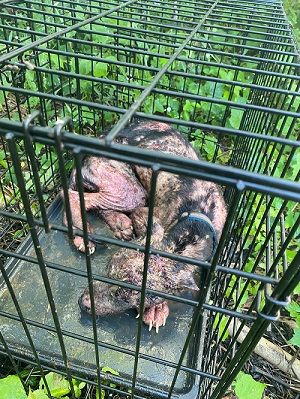
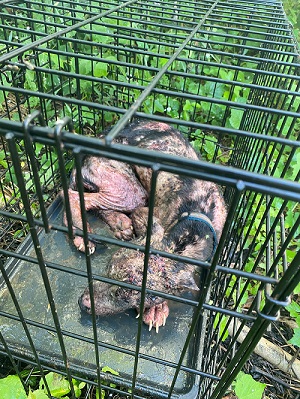
    DOVER, DE (Aug. 5)– The Office of Animal Welfare’s (OAW) Delaware Animal Services (DAS) is seeking the public’s help with providing any information that may lead to identifying the person responsible for abandoning a dog that was found clinging to life earlier this week. The dog was found in the brush, off North Little Creek Road in Dover, by DelDOT workers who immediately contacted DAS.

    OAW officers responded to the call and found the dog barely responsive. They rushed her to a local veterinary hospital for care. The emaciated dog lost most of her hair and was covered in sores and scabs. Despite best efforts to save her, she subsequently died from her condition. DAS is now seeking any tips from the public that may help find the person or persons responsible for this terrible act.

    The female, medium-sized dog was left in a crate in very tall weeds set back off the road near the Route 1 overpass. She is estimated to be approximately two years old, had very long nails and was wearing a blue, orange, and white striped collar. She did not have a microchip.

    Due to her condition, the breed of dog could not be determined. Anyone with any information is urged to contact Delaware Animal Services at 302-255-4646 or online at animalservices.delaware.gov. Tips may be made anonymously.

    Unforeseen life events such as financial hardships, health concerns or behavioral problems may force Delawareans to give up a beloved pet. OAW provides assistance to pet owners to prevent similar circumstances from happening. Visit https://www.dhss.delaware.gov/DPH/oaw/rehomingdog.html for more information.

    Delaware Health and Social Services is committed to improving the quality of the lives of Delaware’s citizens by promoting health and well-being, fostering self-sufficiency, and protecting vulnerable populations.

    Secretary Magarik Announces Leadership Changes At Department Of Health And Social Services

    NEW CASTLE (June 22, 2022) – Department of Health and Social Services (DHSS) Secretary Molly Magarik today announced five leadership changes for the agency involving the Office of the Secretary and the Division of Public Health.

    The changes:
    Dava Newnam, who has served as Associate Deputy Cabinet Secretary and Chief Operating Officer for DHSS, has been named Deputy Cabinet Secretary for Special Populations, Strategic Planning and Innovation.

    Newnam has served in various roles at DHSS for 27 years. In January 2021, she was named Associate Deputy Secretary and Chief Operating Officer for the department, with responsibility for managing a $3 billion budget and 3,500 employees. During her tenure, she led the consolidation of business operations department-wide under the Office of the Secretary, including procurement, accounts payable, accounts receivable, grants administration and budget development and helped organize DHSS’ first employee Leadership Academy. In her previous role as Director of the Division of Services for Aging and Adults with Physical Disabilities, she led more than 700 employees and was responsible for directing the state-run Delaware Hospital for the Chronically Ill in Smyrna; community-facing units serving about 20,000 vulnerable Delawareans older than 60; and the Adult Protective Services unit, which protects vulnerable adults who are at risk of abuse, neglect or financial exploitation. She will begin her new role July 1.

    “Dava Newnam is a strong leader who has a wealth of knowledge about DHSS and the people we serve,” said Secretary Magarik. “As a former Director of both the Division of Services for Aging and Adults with Physical Disabilities and our Division of Management Services, I know she understands the evolving needs of Delaware’s seniors and adults with disabilities, and is strategic in prioritizing and maximizing the resources that DHSS receives on both the state and federal levels. Dava also has been working on the frontlines to reduce the staffing shortages that DHSS is facing, especially in health care-related positions.”

    Newnam is replacing Sarah Noonan Davis, who has served as Deputy Cabinet Secretary for Special Populations, Strategic Planning and Innovation since February 2021. During her tenure, Noonan Davis focused on special populations, as well as strategic planning and innovative practices that are needed to move the department into the 21st century. She oversaw the Divisions of Services for Aging and Adults with Physical Disabilities, Substance Abuse and Mental Health, Developmental Disabilities Services, and Visually Impaired, and the Department’s three in-patient facilities, the Stockley Center, the Delaware Psychiatric Center, and the Delaware Hospital for the Chronically Ill. During her tenure, Noonan Davis’ accomplishments and contributions included overseeing the transition of services from one of the state’s largest providers of substance use disorder (SUD), mental health, and intellectual and developmental disabilities services; spearheading continuous quality improvement initiatives at the Delaware Psychiatric Center and within the Psychiatric Residency program; overseeing the implementation of the Homebound COVID-19 Vaccine program; and aligning initiatives and services across the DHSS divisions through the creation of the internal SUD Workgroup and the Pregnant and Post-partum People with SUD subgroup. Her final day at DHSS will be June 30.

    “I am grateful to Sarah Noonan Davis for the energy, compassion and strategic thinking she has brought to her role as Deputy Cabinet Secretary,” Secretary Magarik said. “I know this was a difficult decision for Sarah, and I join other DHSS employees in wishing her the best in her endeavors to come.”

    Carla Mitchell-Penny, Human Resources Director for DHSS, has been named Chief of Staff in the Office of the Secretary. She will work in conjunction with executive team members to determine and prioritize departmental strategies and goals, ensure the cohesive movement of departmental objectives toward the mission, and streamline and standardize daily operations in the Secretary’s Office. Mitchell-Penny replaces Michele Stant, who left to become Chief of Financial Management in the Division of Medicaid and Medical Assistance. Mitchell-Penny began her new role June 21.

    In addition to the Deputy Secretary and Chief of Staff announcement in the Office of the Secretary, Secretary Magarik also announced temporary changes in leadership at the Division of Public Health:

    Dr. Rick Hong, who has served in various leadership roles at the Division of Public Health (DPH) during the past 15 years, has been named Acting Director of the Division of Public Health, effective July 1. Dr. Hong will lead the division temporarily during the search to find a replacement for the departing DPH Director Dr. Karyl Rattay. Dr. Rattay is leaving DPH at the end of June after more than 13 years of leading Delaware’s public health team and serving the people of Delaware.

    Dr. Hong, who served during much of the COVID-19 pandemic as Medical Director at DPH, is currently serving as Medical Director for the Emergency Medical Services and Preparedness Section at DPH.

    “I am grateful to Dr. Hong, who has so much experience with the Division of Public Health programs and especially its COVID-19 response, for assuming this additional role,” Secretary Magarik said. “Having him lead the division until we can find a physician to lead DPH means that all of our programs there, including the COVID response, are in very good hands.”

    Jamie Mack, who has served in various positions at DPH during his 18 years with the agency, has been named Acting Deputy Director, effective July 1. After stints in the Healthy Homes and Lead Poisoning Prevention and Community Environmental Health programs, Mack joined the Director’s Office as the DPH Policy Lead in 2015. He completed his Master’s Degree in Public Administration while working as the Division’s Liaison with the General Assembly, supporting policy efforts across a wide range of public health priorities. Mack returned to his roots in December 2017, taking over as Section Chief of Health Systems Protection and serving as the State Environmental Health Director for Delaware. He lives in Magnolia, with his wife, son and daughter.

    Steven Blessing, who has served as Chief of the Emergency Medical Services and Preparedness Branch of DPH for 10 years, has been named Acting Deputy Director in charge of the State Health Operations Center (SHOC), effective July 1. SHOC oversees the COVID-19 response in Delaware and other public health emergencies. Blessing has served in other DPH leadership roles for the past 28 years, including Emergency Medical Services Director, Paramedic Administrator and Executive Assistant to the Director of Public Health. Prior to his work with DPH, he was an investment banker with Dean Witter Reynolds and served eight years as an Officer in the U.S. Army. Blessing earned a Bachelor’s Degree in Political Science from the University of Delaware and a Master’s Degree from Webster University in Webster Groves, Missouri.

    Mack and Blessing are replacing Deputy Director Crystal Webb, who is also leaving DPH at the end of June after 13 years as Deputy Director.

    The Department of Health and Social Services, with about 3,500 employees, is responsible for meeting the health and social service needs of Delawareans by promoting health and well-being, fostering self-sufficiency and protecting vulnerable populations.

    Delaware Health and Social Services is committed to improving the quality of the lives of Delaware’s citizens by promoting health and well-being, fostering self-sufficiency, and protecting vulnerable populations.